
7 Warning Signs You Need Electric Vehicle Charging Repair
Aufaproject46.com – Hay Bro & Sist, Owning an electric vehicle (EV) feels like stepping into the future — quiet rides, zero gas stops, and a sense of doing something good for the planet. But here’s the thing most EV owners forget: your home charger isn’t a “set it and forget it” device.
Just like your car needs occasional servicing, your EV charging station also requires attention. Ignoring early warning signs can turn small, cheap fixes into costly repairs or even dangerous electrical hazards.
If your EV charger’s acting weird — charging slowly, disconnecting randomly, or throwing strange error messages — it’s time to take a closer look. Let’s dive into seven clear warning signs that scream your electric vehicle charger needs repair before your wallet starts crying.
1. Slower-Than-Usual Charging Speed
What Normal Charging Should Look Like
Under ideal conditions, a home Level 2 charger should deliver consistent charging power — typically 7 to 11 kW, depending on your setup. That means your EV should juice up overnight without issues.
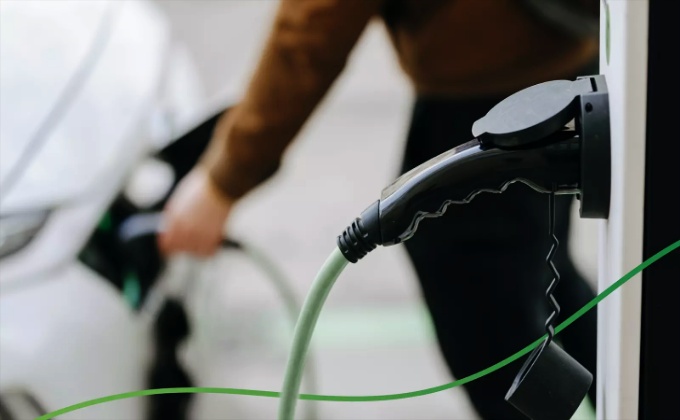
If suddenly, it’s taking twice as long to hit the same battery percentage, that’s your first clue something’s off.
Common Causes of Slow Charging (and How to Test It)
Slow charging can happen for a few reasons:
Voltage fluctuations in your home’s electrical supply
Faulty wiring or loose connections
Damaged charging cables or ports
Firmware bugs in the charger or vehicle
Quick check: Try using a different outlet or charger (like a public one). If your EV charges normally there, your home charger is the culprit.
When to Call a Professional vs. Simple Fixes
You can try resetting your charger or updating the firmware. But if you’ve done all that and it’s still sluggish, call a certified EV technician. Continuing to use a faulty unit might cause overheating or permanent damage to your EV battery.
2. The Charger Keeps Disconnecting or Stops Mid-Charge
Why Random Disconnections Are a Big Red Flag
Your EV charger shouldn’t stop mid-session — ever. When it does, it’s not just annoying, it’s a symptom of unstable current or internal relay problems.
Inconsistent charging interrupts the flow of energy and can reduce your battery’s long-term efficiency.
Electrical Interference, Loose Connections, or Faulty Relays?
Sometimes, the issue lies in loose wiring or moisture buildup inside the charging connector. But in other cases, it’s a failing relay or faulty onboard communication module.
If the charger keeps cutting off at random intervals, it’s time to schedule an inspection. This isn’t something you want to DIY with electricity involved.
3. Your EV or Charger Shows Error Codes
Understanding Common Error Messages (and What They Mean)
Most modern EVs and smart chargers display error codes when something goes wrong — like “CP Error,” “Ground Fault,” or “Overtemperature Warning.” These aren’t random letters; they’re your system’s SOS signals.
When Software Updates Won’t Fix the Issue
If updating your car’s or charger’s software doesn’t solve the problem, the fault is likely hardware-related — damaged circuit boards, worn-out relays, or failing sensors.
Ignoring these alerts could cause further internal damage, and in worst cases, electrical fires. Treat these warnings seriously.
4. You Notice Burn Marks, Melting, or Unusual Heat

The Danger of Overheating and Fire Risk
Heat is a charger’s worst enemy. If you see melted plastic, scorch marks, or a hot connector, stop using the charger immediately. These signs often mean there’s a short circuit or overcurrent problem.
What to Inspect Before Things Go Up in Smoke
Before calling a technician:
Check for dust or debris inside the plug
Make sure the cable isn’t coiled tightly while charging (it traps heat)
Never plug a damaged cable back in
Overheating isn’t just an inconvenience — it’s a fire hazard waiting to happen.
5. Strange Noises or Buzzing from the Charger
What Those Sounds Are Actually Telling You
A gentle hum is fine; that’s just the internal transformer doing its job. But if you hear buzzing, crackling, or clicking, it’s a clear signal that something electrical is off.
The Difference Between Normal Hum and Electrical Fault
Buzzing often comes from loose electrical connections or failing capacitors. The longer you ignore it, the higher the chance of arcing, which can lead to burns, smoke, or total charger failure.
Bottom line: if your charger sounds like it’s “alive,” get it checked immediately.
6. Power Trips or Breaker Keeps Flipping
Why This Usually Signals Deeper Electrical Issues
If your breaker keeps tripping when you plug in your EV, that’s your electrical system screaming for help. It could mean your charger is drawing too much current, has a short circuit, or your breaker is undersized.
How to Safely Diagnose Without Shocking Yourself (Literally)
Turn off the circuit and check for visible damage or loose wires. If nothing seems obvious, don’t reset it repeatedly — that only increases the risk of a serious fault.
Call a professional electrician who’s trained in EV systems. Safety first, always.
7. Increased Electricity Bills Without a Reason
Hidden Inefficiency and Phantom Drain from Faulty Units
Did your electricity bill spike even though you didn’t change your driving or charging habits? That could be your charger leaking current even when idle.
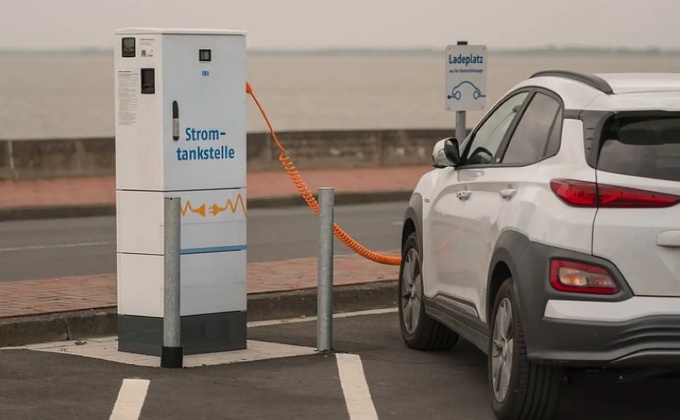
Faulty chargers may continue to draw power when not in use — a silent money drain most people don’t notice until it’s too late.
Why Small Malfunctions Can Burn Your Wallet Over Time
Even a minor efficiency loss of 10–15% can add up to hundreds of dollars annually. A quick inspection or part replacement could easily save you that much within months.
Preventive Maintenance: How to Avoid Costly Repairs
Regular Inspection Routines Every EV Owner Should Follow
Just like you wouldn’t skip oil changes in a gas car, you shouldn’t neglect your EV charger’s upkeep. Here’s what you can do:
Inspect cables for wear every few weeks
Check for dust or corrosion in the plug
Keep the charging port dry and covered
Update firmware regularly
Simple Cleaning and Cable Care Tips
Use a soft, dry cloth to clean the charger — never water or solvents. Store the cable neatly, and avoid leaving it in direct sunlight or freezing temperatures.
A few minutes of care each month can extend your charger’s life by years.
When to Get a Professional Inspection (and What It Costs)
A full professional checkup every 6–12 months typically costs between $100–$200, depending on your location. That’s peanuts compared to the $1000+ repair bills for burnt relays or damaged wiring.
How Professional EV Charging Repair Services Work
Diagnostic Process and Tools Used by Experts
When you call an EV repair service, they’ll usually:
Inspect the power supply and breaker
Check for internal faults or relay issues
Run diagnostics using specialized meters
Update firmware or replace faulty components
This ensures your system runs efficiently and safely — not just “working,” but working right.
What to Expect During a Repair or Replacement Visit
Most repairs take less than 2 hours, unless parts need replacement. Technicians may also recommend surge protectors or smart monitoring devices to prevent future damage.
Think of it as giving your EV’s “fuel system” a professional tune-up.
Conclusion – Don’t Wait for a Small Issue to Become a Big Bill
Your EV charger is the lifeline of your vehicle — and ignoring its warning signs can cost you big time. Slow charging, overheating, strange noises, or random shutdowns aren’t “normal.” They’re cries for help.
Getting your charger inspected early can save you hundreds (or even thousands) in future repair costs, not to mention the safety of your home and vehicle.
So the next time your charger acts a little “off,” don’t just unplug it and hope it fixes itself. Listen to the signs, act fast, and keep your EV (and your wallet) safe.
FAQs – Electric Vehicle Charging Repair
1. How often should I service my EV charger?
Ideally once every 6–12 months, depending on usage. Frequent users or those in humid environments should do it more often.
2. Can I repair my EV charger myself?
Only if it’s a simple software or cable issue. Anything electrical or internal should be handled by a licensed electrician.
3. What’s the average cost to repair an EV charger?
Minor repairs cost around $150–$300, while major replacements can run over $1000 depending on parts and labor.
4. Is it dangerous to keep using a faulty EV charger?
Absolutely. It risks electric shocks, fire hazards, and battery damage. Stop using it until inspected.
5. How do I find a trusted EV charging repair technician?
Look for certified EVSE (Electric Vehicle Supply Equipment) technicians or check your charger’s manufacturer website for authorized service partners.





Tinggalkan komentar